Guinea-Bissau
Return to Fictional Navy's Page:
Return to Index page:
Go to Guinea-Bissau Navy Ship Page:
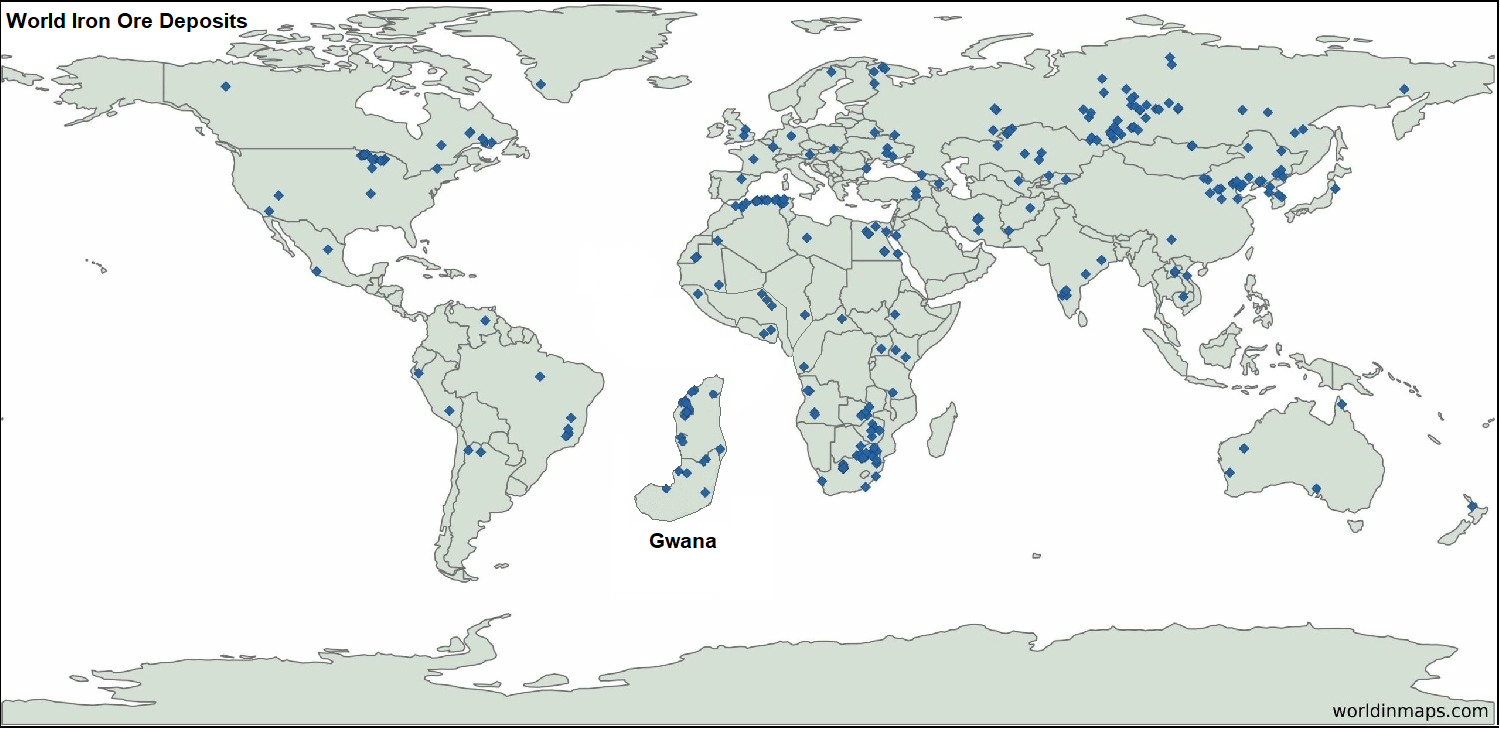
The micro-continent of Gwana (Guinea & Bissau) originally joined the continents of
Africa and South America. Millions of year ago the land broke away from both
continents to become the second largest Island after Greenland.
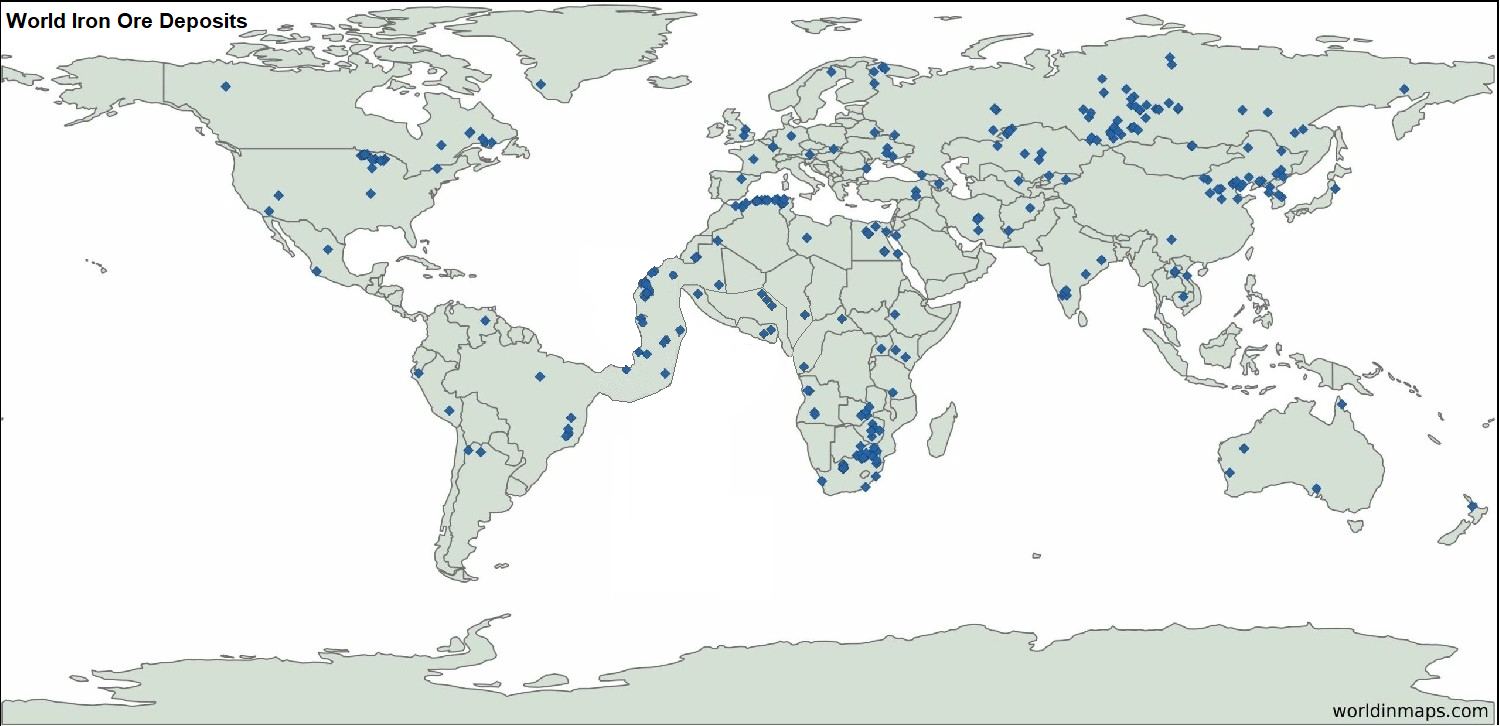
Guinea & Bissau
are the names of the two countries that inhabit Gwana. For Millennia the Island
of Gwana had been a peaceful place to live. The inhabitants were nomadic,
following their herds of sheep, goats and cattle from one patch of grazing to
the next. Battles over Tribal land and grazing rights became more prolific as
the population grew. Then the population dropped by 60%. The Europeans arrived
(1450-1470).
The European diseases (like Smallpox) devastated the population. What this did
was to open up the land to conquest by European settlers. These were originally
of Portugese and Spanish origin, but as the word got out, many other freebooters
(or pirates) descended on the new lands to see what they could take. Tales of
cities of gold brought them out by the thousands. But like a lot of ancient
civilizations, the tales of wealth had been created over thousands of years. It
took less than ten years for the wealth to be plundered and taken to the
European lands.
After ten years, what was left was a shocked population of Native people who had
been the masters of their lands and woke up one day to find they were now
enslaved to the hated white man who had killed so many of them. For the white
man their was the upper class that owned the land that did not belong to the
Crown of its country. Then there were the overlords who ran the gangs of slaves
that did the menial work that created the new wealth of Gwana. Of the 40% of the
Native population that was left after pestilence and war with the white man,
there were still a sizeable number that inhabited the Great Jungle of the North.
That area was death to the white man and whatever ragtag army could be mustered
to go after them. In those conditions the Natives, spears, arrows, and blowpipes
were more lethal than the European weapons.
It became obvious that a few regiments of cavalry quartered in garrisons on the
savannah outside of the jungle region stopped the Natives predations of the
farmers herds. In the jungle the Natives ruled on the open savannah they had no
answer to the cavalry that would run them down and kill them. An uneasy truce
was the normal state of affairs. Famine on either side of the imaginary line
could set off brutal skirmishes as one side or the other sought to take what the
other had to feed their people.
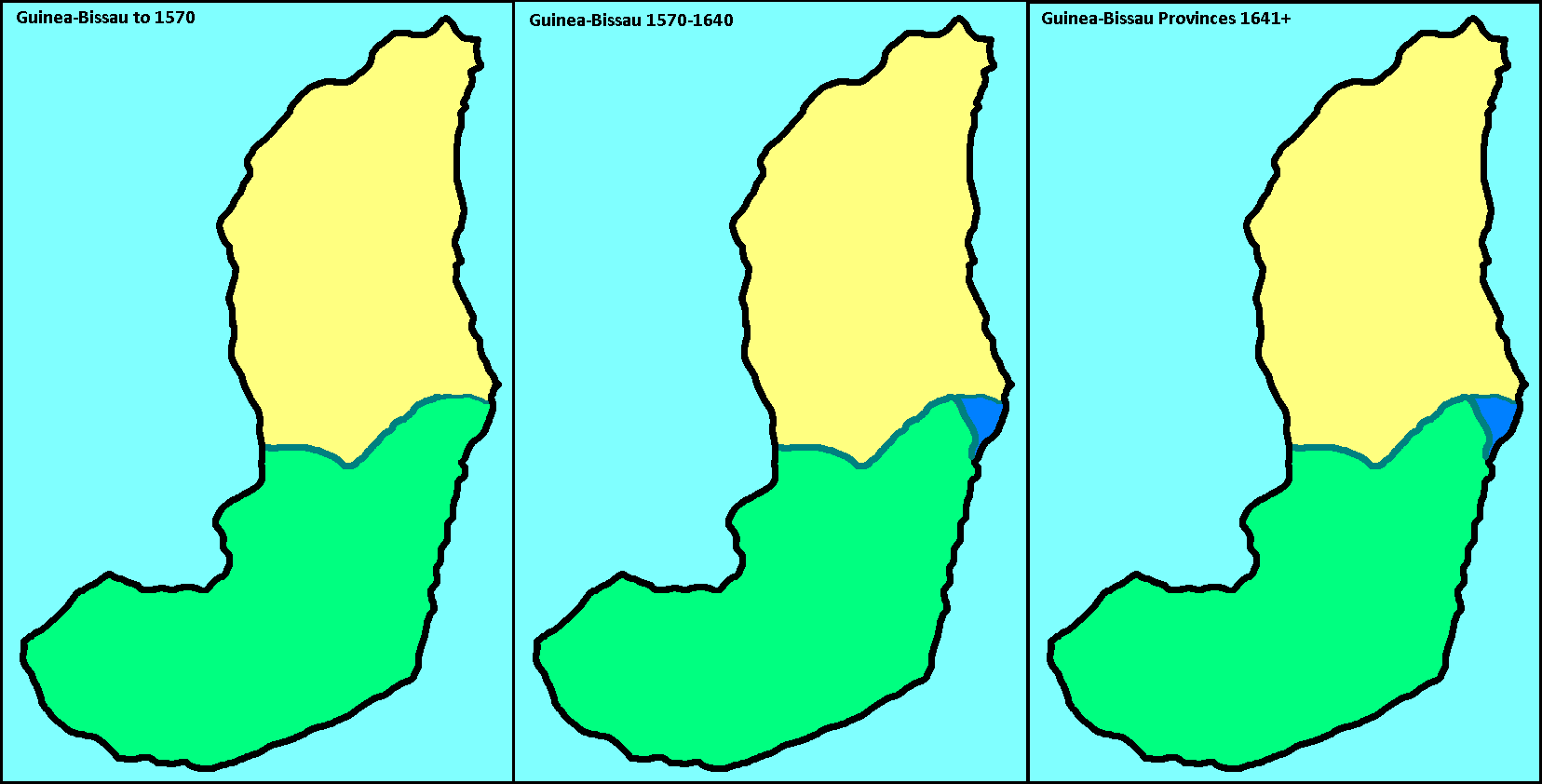
Gwana had settled for two countries in the north and south - Guinea in the north
and Bissau in the southern half. That was Spanish in the north and Portugese in
the south. The period 1570-1640 saw the two countries of Spain and Portugal
being joined under one Spanish King. This led to the formation of one country in
Gwana to be known as Guinea-Bissau. A new Administrative Capital Territory
called Aviz was set up on the eastern boundaries of the previous countries that
were henceforth to be broken up into provinces for easier administration. The
leaders of those provinces would be the lower house of Aviz while a triumvirate
would oversee the entry of new laws and have the power of veto, making those men
very powerful. One would be appointed each from north and south. the third being
appointed by the then Spanish Crown. Normally a Duke or minor Prince of the
Realm who would be able to make their family fortune in the coveted position in
Aviz. This was a ten year stint, returning to Spain on the arrival of his
successor. When one noble made a fool of himself and got himself killed, he was
sent back to Spain in a barrel of pickle juice whence his successor was chosen
and sent out on the next ship.
This worked seamlessly for the seventy years of the 'One Nation' in Europe. In
1640, the restoration of Portugal as a sovereign state threatened to tear the
country of Guinea-Bissau apart. Guinea-Bissau had five years notice of the wars
of succession and what was likely to happen. The Duke of Alvarez was the current
'Spanish' noble though coming from the Portugese part of Spain. With the news
imminent of the split of Spain, the Duke called all of the Governors of the
Provinces together and appraised everybody of what was taking place. For years
Spain had been bleeding more and more taxes from Gwana, upsetting the nobles.
What the Duke proposed was to secede from Spain and Portugal and set up the
Sovereign State of Guinea-Bissau with him as its first King. The Duke was
unmarried so had no immediate heir. The structure of the country would keep the
same set-up of lower house and upper triumvirate, but the 'King' would not be
hereditary, being appointed from the noble houses of Guinea-Bissau.
The ten year stint as 'King' would set up a noble for life. Some times that
stint ended peacefully, sometimes at the end of a noose or sword. Ultimate power
affected different people different ways.
Not unsurprisingly Spain and Portugal objected to the birth of this new nation,
but after the wars of secession neither had the strength to try and bring the
country back into a colony status. The English recognised the new nation and
that was that. Guinea-Bissau was born.
The period of the 18th and 19th centuries saw the Great European Wars as all the
nations tried to be number one and have first choice on the rest of the world.
Gwana, by then, had enough settlers and troops to require an invader to mount a
huge force to overcome the local population. That size of force leaving its
homeland would have to leave an opportunity for that countries enemies to take
advantage and mount invasions of their own.
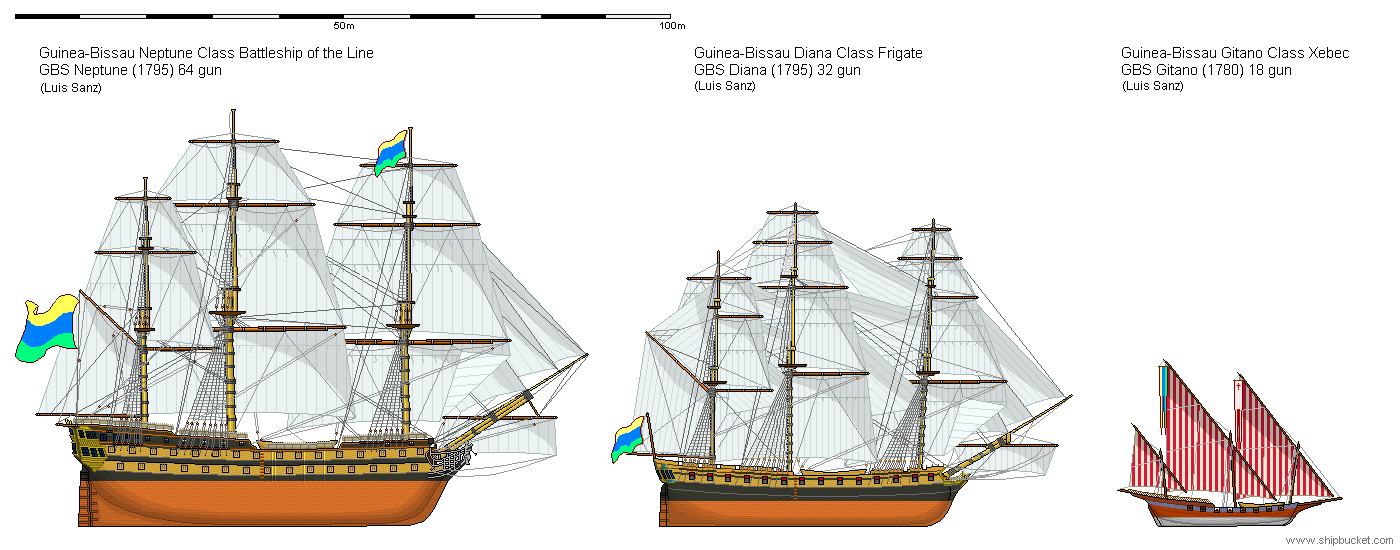
The 18th and 19th centuries were also the time when the Guinea-Bissau
infrastructure for home grown products was being added to as fast as possible.
The country needed to be able to produce its own weapons and shipping, that is
both mercantile and warship categories. First were the brigs and brigantines
that could be used round the coastal water in an anti-piracy mode, then as
enough of them were produced they could also be used as convoy escorts to get
the produce from Guinea-Bissau to market. By the end of the 18th century the
Navy was producing large 4th and 5th rate vessels up to 64 guns.
The iron foundries had been casting metal guns for nearly a hundred years when
the Navy started requesting sheets of iron and steel to clad their wooden ships
with. That was followed by the designing and building of all iron ships. Leading
on to the first steel battleships of modern times.
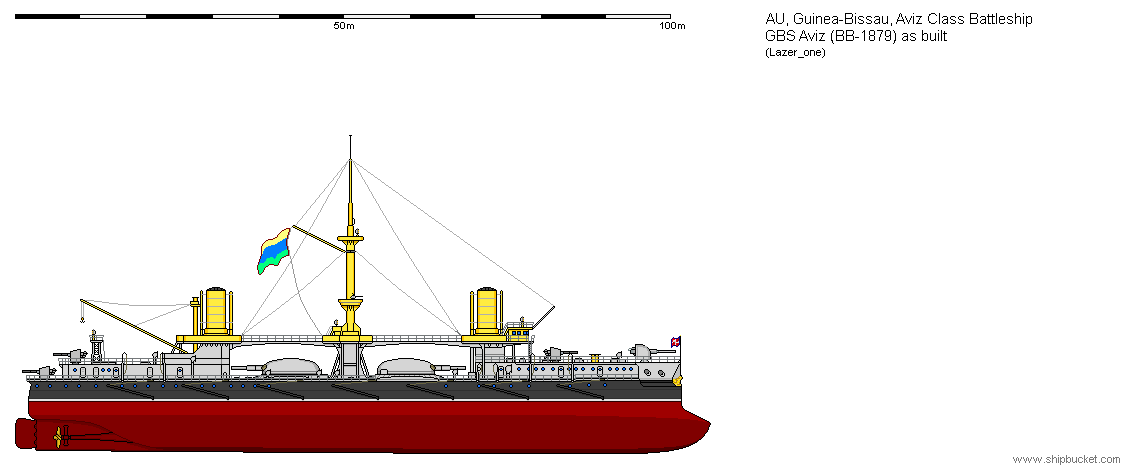
The first true battleship with rotating turrets was virtually an upgraded 'line
of battleship' with the turrets in the centred of the ship and being able to fire
to either broadside. Two 6" bow chasers were fitted, again in an old fashioned
manner. Come alongside your enemy and pound them with your big guns.
This of course leads me into the 20th Century where I like to be.