The Niravina was ten years old and no longer fit for the purpose of offensive minelaying, A new set of ships would be required. What the Lemurian designers needed to do was to design a ship that could undertake offensive minelaying operations. The biggest priority was the need for speed. Then mine capacity, Then defensive armament. The design would come down to, 'how big a hull could they push past 40 knots'. The French had produced the Emile Bertin, completed 1935, which attained over 40 knots at its full speed trials. It was normally rated at 34 knots. The French had designed the ship as a minelayer and/or flotilla cruiser. This was what the Lemurian designers wanted.
.tif.jpg)
The Lemurian designers wanted an internal mine deck with ports in the stern for deploying the mines. This precluded having large holes in the after deck areas for mounting turrets onto barbettes as it would interfere with the minelaying operations. The Niravina had its main armament all forward which had worked well.
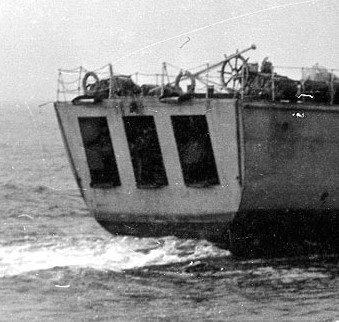
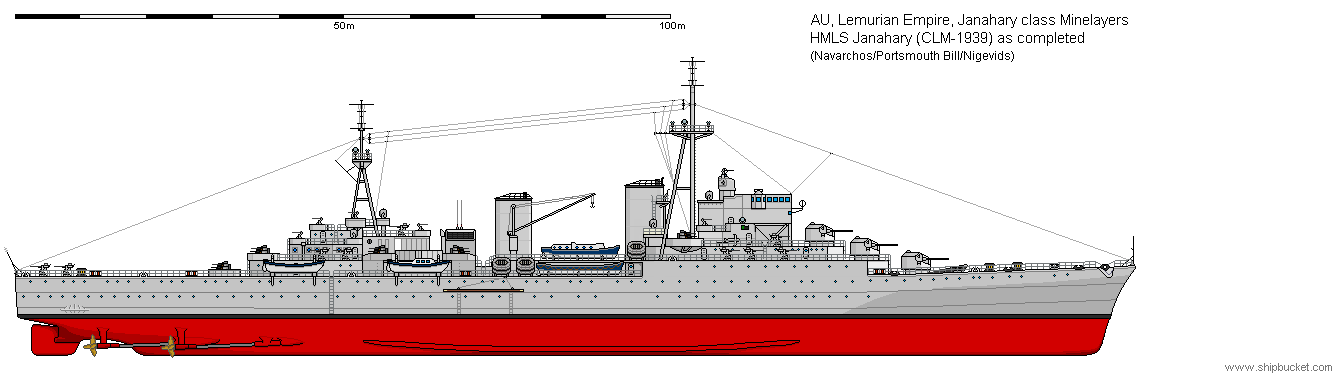
The first two of the class had completed before the outbreak of war. Janahary was laying the fields to protect the Palk Strait, while the Niravina was doing the Madagascar strait. The early loss of the Niravina meant that the acceptance trials of the Andrianjafy were cut short so that it could take over and complete the work the Niravina had been doing. Once the Janahary completed the Palk Strait fields, it was transferred to European waters to help with the defensive and offensive fields around the UK.
The Andrianjafy went to the Eastern Mediterannean and was there when the Italians declared war on the Fall of France. It was used straight away for offensive minelaying into Italian waters. Its fields were credited with sinking some merchant ships and a destroyer before they were cleared. By then the fast minelayers were almost exclusively making runs into Malta with essential supplies and parts for keeping aircraft in the air. The huge mine deck could take many tons of supplies. It was on one of these runs that the Andrianjafy ran into a newly laid minefield and triggered two mines which damaged the machinery rooms and seriously impacting the ships speed. That lack of speed allowed the dive bombers to catch and dispatch it. The Andrianjafy was heading back to Alexandria so all of the supplies had been delivered.
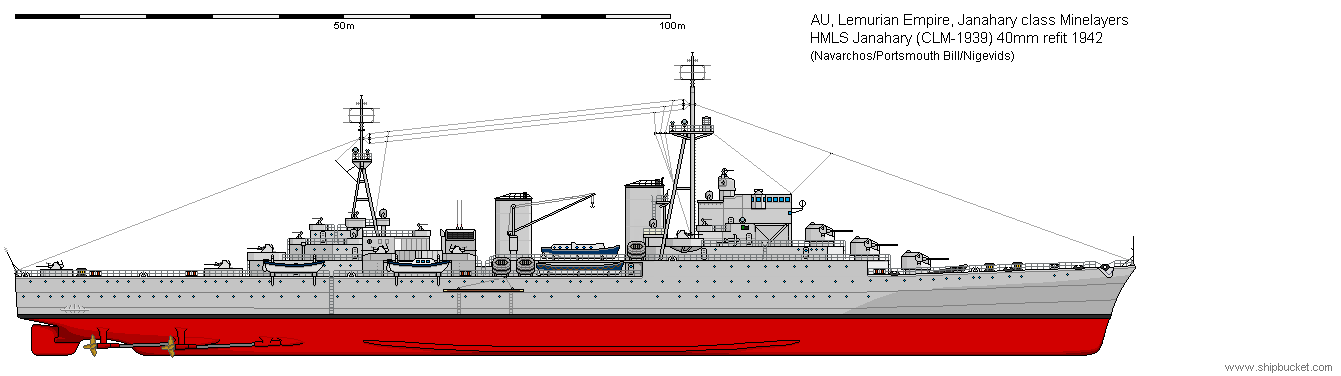
The loss of the Niravina left a hole in the minelaying ship stocks. Two more Janahary class were ordered by the end of 1939 with delivery expected in 1942. These ships were completed with the 40mm weapons that the Janahary had been upgraded to. The Janahary had spent 1940 and 1941 doing offensive minelaying operations along the European North Sea coast and up into the Norwegian leads. With the loss of HMS Latona the Janahary was transferred to Force H for offensive minelaying operations in the Western Med and urgent supply runs to Malta.
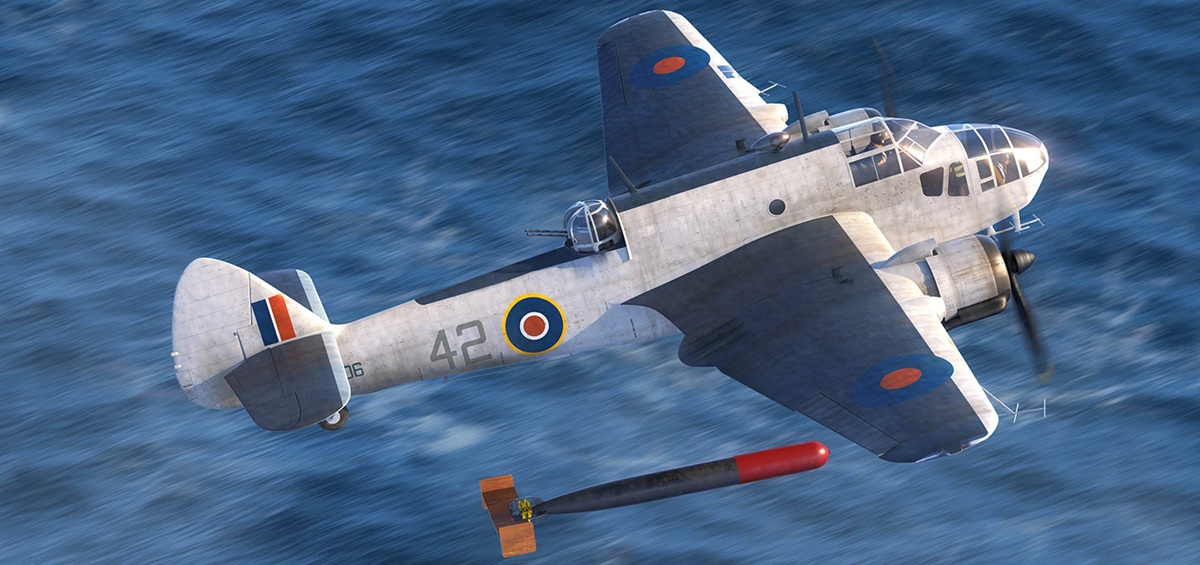
It was on one of the Malta runs in February 1942 that the Italian cruiser Attilio Regolo intercepted the Janahary whose Captain ordered full speed. Confident the Italian cruiser would sniff its dust. To the Captains surprise the Attilio Regolo not only kept up but was slowly catching the Janahary. The Janahary had about 20-25 minutes before it would have to turn and engage the enemy. Contact was made with base to see if there were any friendly forces that could help. A force of three Beaufort torpedo bombers had been sent out from Malta to try and intercept the Attilio Regolo and would be in contact in approximately 15-20 minutes. The Janahary watched the Beauforts arrival and then their torpedo runs on the Regolo. One torpedo hit and the speed fell away. The Regolo turned away and went for the nearest Italian port. It didn't make it. One of the U class subs caught and sank it with two more torpedo hits.
The three ships would see out the war and serve in the post war fleet. The final one being scrapped in the mid-70's. No thought was given to the sale of the ships as the Navy did not want to give anyone the chance to use these ships for offensive minelaying operations against any of its allies.